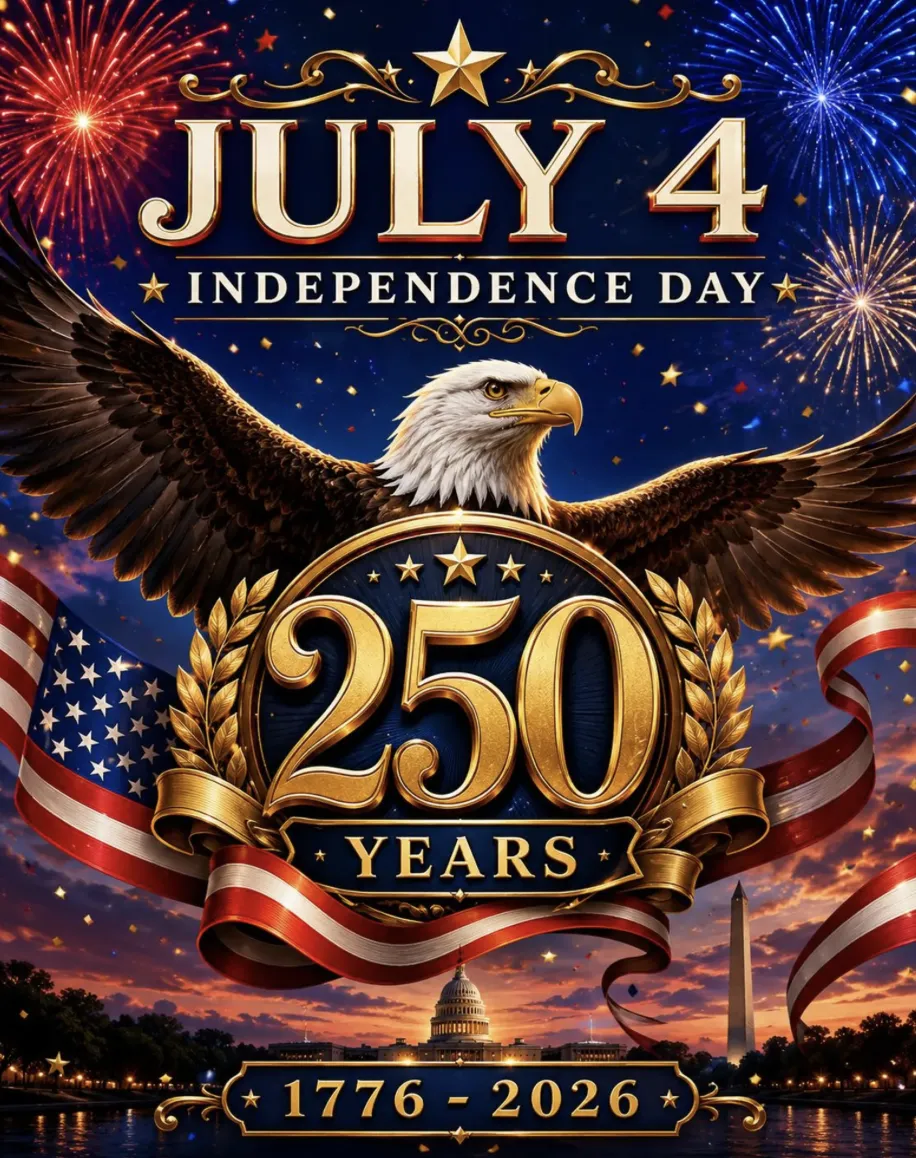
Independence Day Meal
A Taste of Revolution:
What Was on the Menu on July 4, 1776?
When we think of the Fourth of July, our minds immediately jump to backyard barbecues, hot dogs, cold beers, and fireworks lighting up the evening sky. But if you were to travel back exactly 250 years to the very first Independence Day Thursday, July 4, 1776 your dinner experience would have been drastically different.
There were no fireworks that day, no parades, and certainly no red, white, and blue paper plates. Instead, there was stifling heat, a room full of exhausted delegates, and a meal that looks surprisingly different from our modern summer cookouts.
Here is what it was actually like to sit down for dinner at the founding of the United States.
The Timing: Dinner Wasn't When You Think
If you invited an 18th-century colonial American over for "dinner" at 7:00 PM, they would be very confused.
In 1776, dinner was the main meal of the day, but it was served in the early to mid-afternoon, usually around 2:00 PM. The evening meal was a much lighter affair called "supper," consisting of leftovers, cold meats, or simply bread and cheese.
On July 4th, as the Continental Congress finalized the wording of the Declaration of Independence in the Pennsylvania State House, the delegates likely took a recess in the afternoon to fill their stomachs. Many of them, including John Adams and Thomas Jefferson, likely walked over to the nearby Tavern the political and social hub of Philadelphia.
The Menu: Farm to Tavern
So, what was on the table? The mid-summer timing meant the menu was heavily reliant on what was locally available and seasonal in Pennsylvania.
A lavish tavern dinner for a founding father would have been served in two "courses" (which meant all the dishes for each course were placed on the table at once for communal sharing).
The First Course:
A Hearty Soup: Even in the sweltering heat, soups were standard starters. A beef or mutton broth with seasonal herbs was common.
Roasted Meats: The centerpiece was usually a large pice of roasted meat. Mutton (sheep), beef, or a roasted fowl (like duck or chicken) would have been heavily featured.
Savory Pies: Meat pies were incredibly popular and served as a savory, filling staple.
The Second Course:
Summer Vegetables: July meant an abundance of fresh produce. The table would have featured buttered green peas, early summer squash, cabbage, and string beans.
Puddings and Preserves: "Pudding" didn't mean a creamy dessert back then; it was often a boiled, dense dish made of grains, beef tallow, and dried fruits.
Fresh Fruit: Bowls of summer berries, cherries, and early peaches would have provided a sweet finish.
The Drinks: Hydration for 1776
Water in 18th-century cities was often unsafe to drink, so colonial Americans drank a staggering amount of alcohol yes, even in the middle of the workday.
To wash down their roasted mutton, the delegates would have enjoyed:
Ale and Hard Cider: The standard daily drinks for almost everyone.
Madeira Wine: A fortified wine that was highly favored by wealthy colonists (and was famously used to toast the Declaration).
Rum Punch: A potent mix of rum, citrus, sugar, water, and spices, often served in large communal bowls.
"I drink no cider, but feast on Philadelphia beer." John Adams, in a letter to his wife Abigail.
The Atmosphere: Heat, Flies, and History
If there is one thing that connects our modern Fourth of July to the original, it’s the weather. July 1776 in Philadelphia was famously brutal. It was humid, sticky, and hot.
Furthermore, the State House was located near a stable. According to Thomas Jefferson, the heat and the proximity to the horses meant the room was swarming with aggressive horseflies. The flies bit through the delegates' silk stockings, making them eager to finish their business, approve the document, and get out of the room.
A Toast to the Past
When you fire up the grill for a cookout to celebrate the Fourth, take a moment to picture those tired, sweaty men in wool coats, sipping warm ale and eating roasted meat at 2:00 PM. They weren't celebrating a holiday; they were committing treason against the British Crown, knowing their lives were on the line.
They probably didn't realize it at the time, but that hot Thursday afternoon dinner was the very first meal in a brand new country.
Shop Doug the FoodGuy Store