Savoring South Carolina
Savoring South Carolina: A Guide to Seasonal Foods
South Carolina's culinary identity is deeply intertwined with its rich agricultural heritage and abundant natural resources. From the salty breezes of the Lowcountry to the fertile soils of the Pee Dee and the elevation of the upstate, the Palmetto State offers a vibrant tapestry of seasonal foods throughout the year. Eating with the seasons not only connects you to the land and the rhythms of nature but also ensures you're enjoying the freshest, most flavorful, and most nutritious ingredients. This guide explores what's in season, why it matters, how to shop local, and offers a simple recipe to bring these exceptional flavors to your table.
The magic of seasonal eating lies in its direct connection to peak ripeness. Produce picked at its prime, rather than being harvested early for long-distance travel, is inherently sweeter, more aromatic, and often more nutrient dense. Beyond superior taste and nutrition, choosing local and seasonal foods supports South Carolina's dedicated farmers and strengthens the local economy, and significantly reduces the carbon footprint associated with food transportation. In essence, it's a way to embrace the unique flavors of the region and honor the people who cultivate and harvest its bounty.
South Carolina's climate and diverse growing regions provide a consistent stream of fresh ingredients. While each season offers its own unique delights, the spring and summer months are particularly celebrated for their vibrant harvests. As winter's chill recedes, South Carolina awakens with an assortment of tender greens, early berries, and the first of the season's vegetables.
Greens Galore: Hearty greens like collards, mustard, and turnip greens are staples that thrive in the cooler spring weather, offering deep, earthy flavors. Delicate arugula, spinach, and mixed salad greens provide a peppery, tender counterpoint, perfect for light spring salads.
Early Vegetables: Asparagus spears emerge mid-March, crisp and slightly sweet, ideal for grilling or roasting. English peas and snap peas offer a burst of sweetness, with snap peas being a delightful raw snack. Radishes add a crisp, peppery crunch and vibrant color. Spring onions lend a milder, fresher onion flavor than their mature counterparts. New potatoes are also a springtime treat, perfect for roasting or boiling.
Berries and Herbs: South Carolina's renowned strawberries often peak in late winter to spring, delivering intense sweetness. Local farms begin offering early tomatoes and fresh herbs like basil, parsley, mint, and chives.
Seafood Delights: The coastal waters come alive in spring. Look for fresh shrimp, oysters, flounder, clams, and mussels, a testament to the Carolina’s rich marine life.
Pecans: Remain a popular pantry staple.
Summer in South Carolina is a time of peak harvest and sun-kissed flavors, where heat and humidity nurture an explosion of fruits and vegetables.
Tomatoes: From plump heirlooms to sweet cherry varieties, tomatoes are the stars of the South Carolina summer.
Peach’s : Georgia may claim to be the "Peach State", but South Carolina produces exceptionally sweet and juicy peaches, making July and August a highlight for fruit lovers.
Southern Staples: Okra pods are abundant, ready for frying or stewing. Sweet corn, with its milky kernels, is perfect for grilling or enjoying straight off the cob.
Watermelon is the quintessential summer treat, and blueberries offer a sweet, antioxidant-rich delight.
As the temperatures begin to cool, South Carolina's harvest shifts towards heartier, more grounding ingredients.
Root Vegetables: Sweet potatoes, a South Carolina icon, considered a supper food rich in flavor and incredibly versatile. Carrots, beets, turnips, and regular potatoes also thrive, providing the foundation for warming, comforting dishes.
Broccoli, cauliflower, cabbage, and Brussels sprouts develop added sweetness as they encounter cooler weather.
Autumn Fruits: Apples from the Upstate and persimmons offer seasonal fruit options. Winter squashes like butternut, acorn, and spaghetti squash become prominent, perfect for roasting.
Even during the colder months, South Carolina offers enduring flavors.
Hardy Greens: Collards, kale, and mustard greens often deepen in flavor after a frost, becoming even more delicious. Broccoli, cauliflower, and cabbage continue to be available.
Shopping Local
To truly experience the best of South Carolina's seasonal offerings, embrace local shopping:
Visit Farmers' Markets: Engage with growers, learn about their farming practices, and discover unique heirloom varieties you won't find anywhere else. Many markets are open year round.
Ask About Harvest Times: The freshest produce was likely picked that morning or the day before. For seafood, inquire about the catch and its origin.
Smart Storage: Keep berries dry and cool, leafy greens wrapped in a damp towel and stored in a perforated bag to maintain crispness. Shellfish needs to be kept cold and used promptly; store live oysters or clams covered with a damp towel in the refrigerator.
Preserve the Season: Consider freezing berries (sliced with a little sugar or flash-frozen) or lightly blanching and freezing greens for later use in soups and sautés.
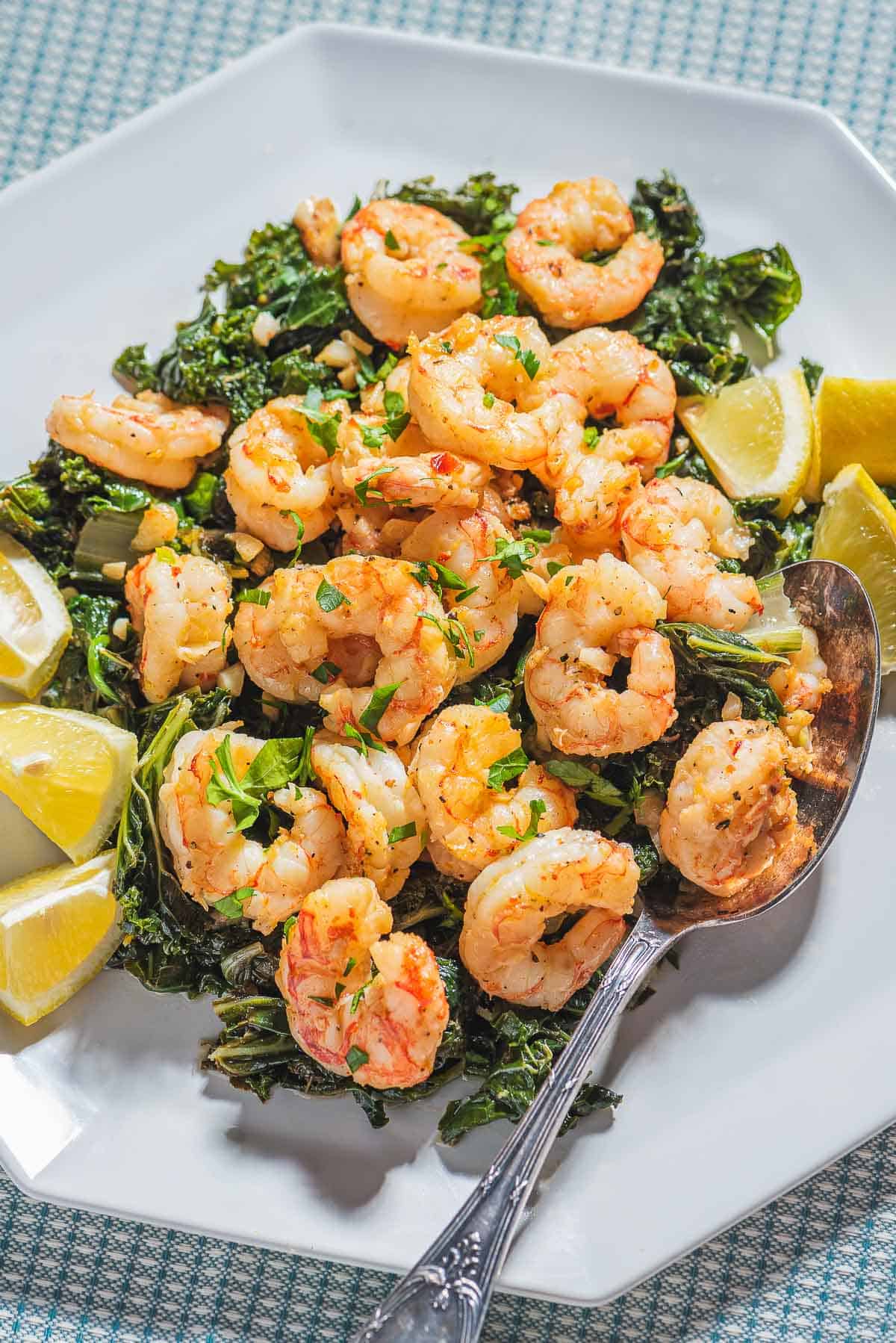
Shrimp and Collard Green Sauté
This quick and flavorful recipe brings together two spring heroes of South Carolina: fresh shrimp and tender collard greens. It's a simple, one-pan dish that highlights the natural sweetness of the ingredients with minimal fuss.
Yields: 4 servings
Prep time: 15 minutes
Cook time: 20 minutes
Ingredients:
1 pound fresh South Carolina shrimp, peeled and deveined (about 26/30 count)
1 bunch young collard greens (about 1 pound), stems removed and chopped into bite-sized pieces
2 cloves garlic, minced
1 small onion or 2 green onions, thinly sliced
2 tablespoons olive oil
Juice of 1/2 lemon
Salt and freshly ground black pepper to taste
Pinch of red pepper flakes (optional)
Garnish: Fresh parsley or chives, chopped
Method
Prepare the Greens: Ensure your collard greens are thoroughly washed and chopped. Mince the garlic and slice the onion (or green onions).
Sauté: Heat the olive oil in a large skillet over medium-high heat. Add the sliced onion and sauté for about 2-3 minutes until softened. Add the minced garlic and red pepper flakes and cook for another minute, being careful not to over cook the garlic.
Wilt the Collards: Add the chopped collard greens to the skillet. Stir them continuously for about 5-7 minutes until they wilt and turn a deep green. Season lightly with salt and pepper.
Cook the Shrimp: Push the collard greens to one side of the skillet. Add the shrimp in a single layer to the cleared space. Cook the shrimp for 2-3 minutes per side, until they turn pink. Avoid overcooking.
Combine and Finish: Gently stir the cooked shrimp into the collard greens. Squeeze the lemon juice over the mixture. Taste and adjust seasoning with salt, pepper, or lemon juice as needed.
Serve: Garnish with fresh chopped parsley. Serve immediately as a main course or as a flavorful side dish. This dish pairs wonderfully with a side of creamy South Carolina grits or crusty sourdough bread.