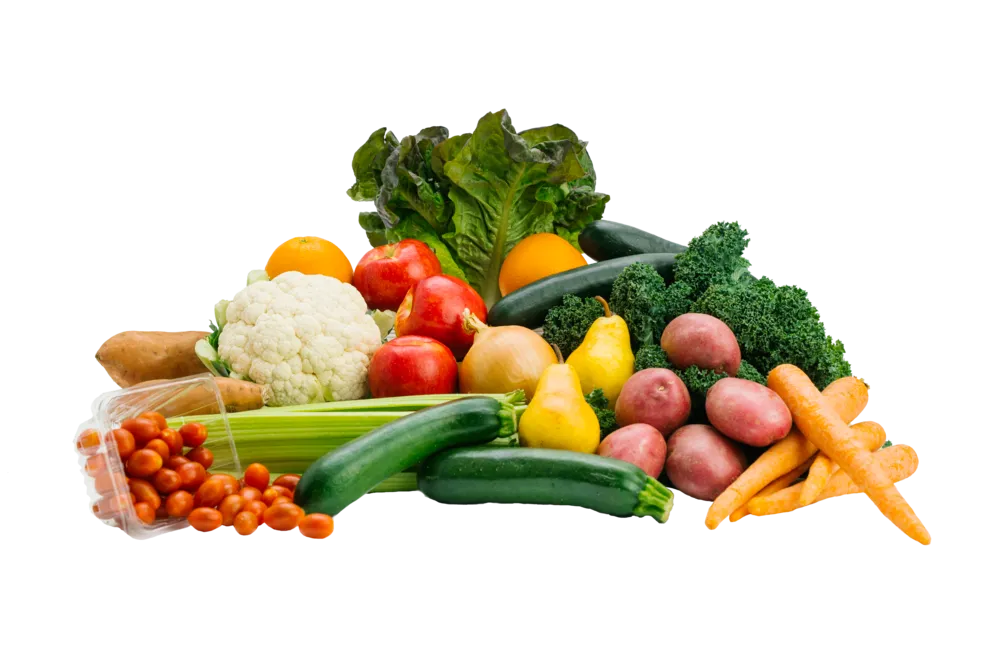
Vegetable Storage 101
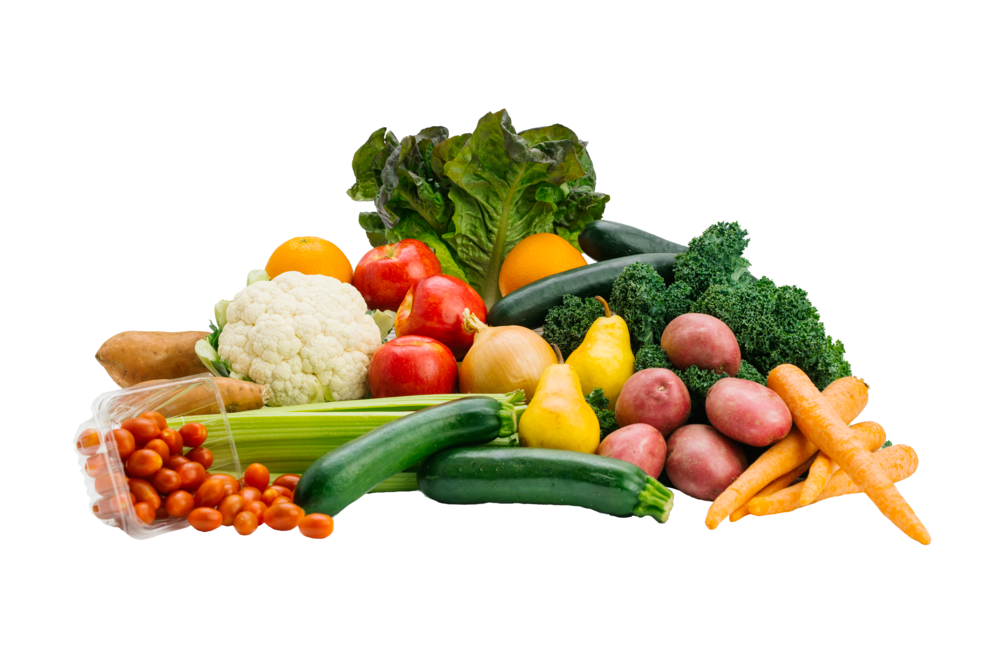
Keep Your Produce Fresh: The Art of Smart Vegetable Storage
Ever wonder why some of your vegetables seem to go bad before their time? The secret to extending the life of your fruits and veggies lies in understanding a few key principles of produce storage, primarily the role of ethylene gas and optimal humidity levels. By grouping your produce wisely, you can significantly reduce food waste and enjoy fresher ingredients for longer.
Understanding Ethylene: The Ripening Hormone
Many fruits and some vegetables naturally release ethylene gas as they ripen. This gas acts as a ripening agent, speeding up the maturation process. While beneficial for ripening certain fruits, ethylene can cause rapid spoilage, wilting, yellowing, or off-flavors in ethylene-sensitive produce. Separating ethylene producers from sensitive items is one of the easiest ways to keep your produce fresh.
Key Principles for Smart Storage:
Match Temperature and Humidity Needs: Different vegetables thrive in different conditions. Some prefer cool, dry environments, others cool and humid, and some are best stored at room temperature.
Separate Ethylene Producers from Sensitive Items: This is crucial. Ethylene-producing items should be kept away from those sensitive to it.
Consider Odors and Moisture: Strong-smelling produce or those that release a lot of moisture can negatively impact their neighbors.
Vegetable Storage Buddies: Who to Store Together
When stored correctly, certain vegetables can happily coexist, making the most of their shared storage conditions.
Root Vegetables (Cool, Dark, Dry):
Examples: Potatoes, sweet potatoes, carrots, beets, radishes, parsnips, turnips.
Storage: These thrive in a cool, dark, and dry environment. A pantry or cellar is ideal. While some root vegetables can go in the fridge, avoid refrigerating most potatoes and winter squash as it can affect their texture and flavor.
Alliums (Cool, Dry, Ventilated):
Examples: Onions, garlic, shallots.
Storage: Store these in mesh bags or baskets that allow for good air circulation. Keep them away from potatoes.
Brassicas and Greens (Refrigerator, High Humidity):
Examples: Broccoli, cauliflower, Brussels sprouts, cabbage, leafy greens (lettuce, spinach, kale), herbs you plan to use quickly.
Storage: These benefit from the high humidity of a refrigerator crisper drawer. Storing them in sealed bags or containers with some moisture control can help maintain their freshness.
Produce Pairs to Keep APART: The Storage Frenemies
Certain combinations can lead to premature spoilage, wilting, or the development of off-flavors.
Potatoes and Onions:
Why: Onions release moisture and gases that can cause potatoes to sprout and spoil faster. Potatoes, in turn, can absorb onion odors and soften.
Solution: Store them in separate, cool, dark, and well-ventilated areas.
Tomatoes and Ethylene-Sensitive Vegetables:
Why: Tomatoes are significant ethylene producers. When stored with ethylene-sensitive items like cucumbers, broccoli, cauliflower, leafy greens, or many root vegetables, they can cause these to yellow, wilt, brown, or develop off-flavors much faster.
Solution: Store tomatoes at room temperature until ripe, and keep them away from sensitive produce. Refrigerate ethylene-sensitive vegetables.
Leafy Greens and Strong Ethylene Producers:
Why: Bananas, apples, and ripe avocados are potent ethylene producers. When placed near delicate greens like spinach, lettuce, or kale, these greens will wilt and yellow rapidly.
Solution: Keep ethylene-producing fruits in a separate fruit bowl and store greens in the refrigerator's high-humidity crisper.
Mushrooms and Strong-Smelling Produce:
Why: Mushrooms are porous and can easily absorb odors and moisture from their surroundings.
Solution: Store mushrooms in their original packaging or a breathable container in the refrigerator, away from strongly scented items.
Practical Tips for Maximum Freshness:
Utilize Fridge Drawers: Designate separate crisper drawers or labeled bins in your refrigerator. Use one for high-humidity items (greens, broccoli) and another for lower-humidity items (peppers, cucumbers, mushrooms).
Bag Ethylene Producers (If Refrigerating): If you must refrigerate fruits that produce a lot of ethylene, consider bagging them to isolate the gas and keep them separate from other produce.
Regularly Inspect Produce: Remove any spoiled or overripe items immediately. A single bad piece of produce can quickly affect the items stored nearby.
By following these simple grouping and separation strategies, you can enjoy your vegetables for longer, reduce food waste, and save money!
PS: No I don't always follow these simple suggestions.... But I should!